Making local AI actually useful in the living room.
The consumer surface of Nexus Gen. I validated it with 100 users, built the working prototype myself before it had an engineering slot, and took it through a three iteration beta that won the case for full investment.
The Home Theater user journey
One evening with the beta, stage by stage. Grey is what the NAS did before. Black is what shipped.
A NAS full of movies was still a folder tree with a play button. Finding something to watch meant scrolling filenames.
From 100 NAS users: nobody asked for a recommendation engine. They wanted the shelf they already understand from streaming apps, on their own library.
Built the MVP myself before it had an engineering slot: IMDb subtitle matching and an on device engine for similar titles, actors and directors. 80 beta users, 140 feedback items, three iterations.
78% activation, 81% of testers active daily against a five interactions per week bar, 60% still using it at two weeks. Approved for full scale implementation.
What I owned
- Ranked Home Theater as the number one new feature opportunity after core file management through research with 100 NAS users, translated the findings into an MVP, and secured leadership and engineering alignment for MVP development.
- Built the MVP with automated indexing, IMDb metadata, subtitle matching, and on device recommendations, reaching 78% beta activation, 81% of beta users active daily, and 60% D14 retention, supporting full scale implementation.
- Built the working prototype myself before it had an engineering slot: a FastAPI backend, a single SQLite table for metadata, HTTP range video streaming, and a shelf based UI with no build step.
- Owned requirements and flows for the media library design file.
- Ran a three iteration beta with 80 users and synthesized 140 feedback items into product changes.
What had to be true
- It had to feel like a home theater app, not a demo of an AI feature.
- Recommendations had to run on device with the same model the rest of the platform used.
- There was no engineering slot yet. Validation had to happen before one existed.
Scope the wedge
Interviews kept surfacing the same three time sinks: choosing a movie, organizing the library, and recovering from misnamed files. I scoped an MVP around exactly those, and left the broader AI assistant pitch alone.
Prototype before the roadmap slot
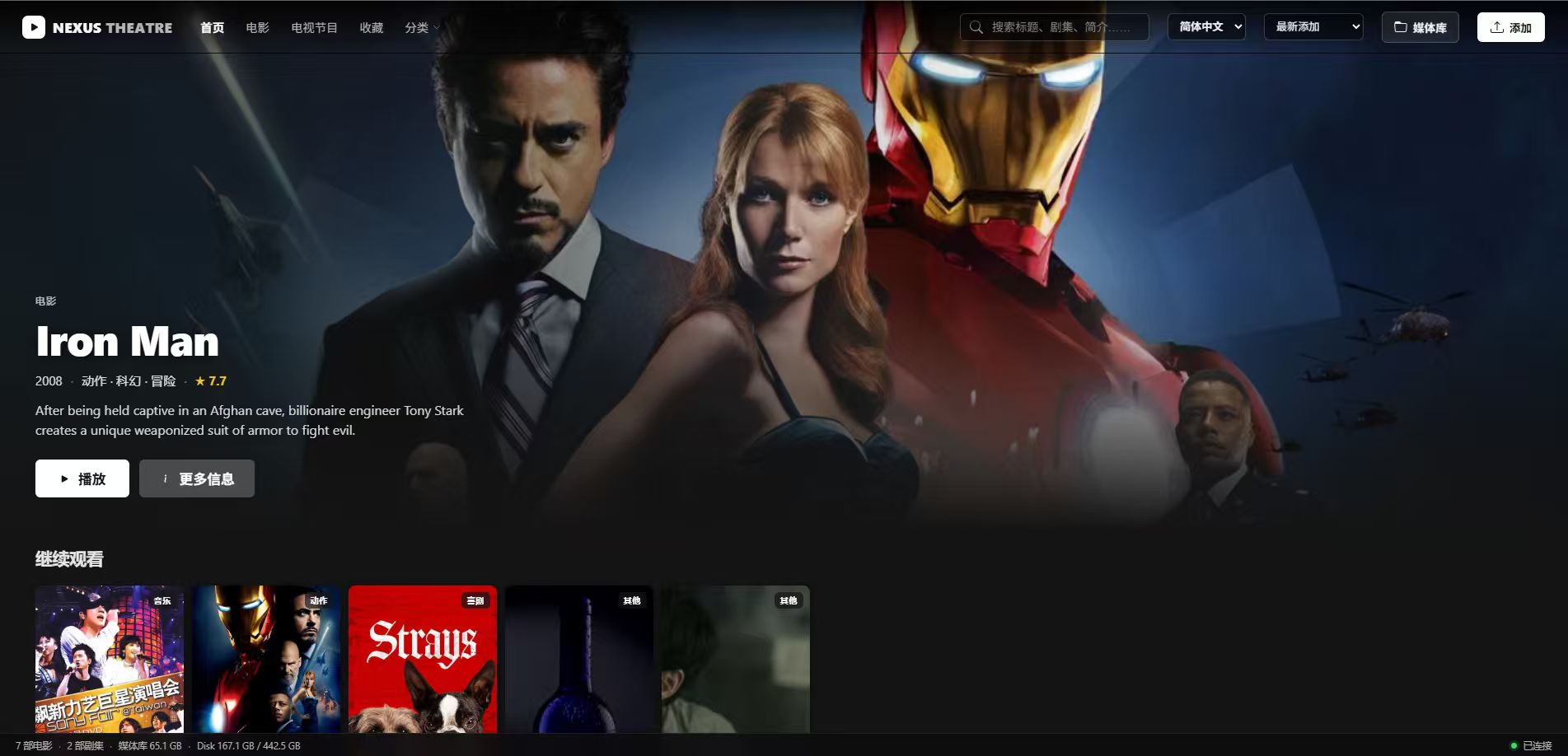
Rather than writing a spec and waiting, I built Home Theater as a working prototype: FastAPI, one evolving SQLite table with idempotent migrations, HTTP range requests so video could scrub and resume, and shelves for Continue Watching, Recently Added, Movies, and TV Series in plain HTML, CSS, and JS.
That let the beta touch a real product in days instead of after a full engineering cycle. The usage data from that prototype, not a mockup, is what won the case for full scale investment.
Iterate on real usage
Three iterations, 140 feedback items. The changes that mattered most were not AI changes: series grouping with per season episode lists, IMDb based subtitle matching, and a continue watching shelf that actually resumed.
Built end to end as a working prototype, FastAPI plus SQLite plus vanilla HTML, CSS, and JS with no build step, before it was a funded roadmap item.
What shipped
- On device recommendations for similar titles, actors, and directors, plus IMDb based subtitle matching, wrapped in a simple conversational entry point.
- Auto Scan: ingestion time indexing and tagging that cut manual organization and retrieval time by 90%.
- Continue watching, movie and series grouping with per season episode lists, and a featured title shelf.
How it was built
- FastAPI plus SQLite for the prototype, with new columns added through idempotent migrations and never a breaking schema change.
- HTTP Range requests for scrubbing and resume, so the browser's own video element did the heavy lifting.
- Deliberately boring, well understood tech so the team could argue about the experience, not the plumbing.
Trade offs I made on purpose
- Shipped a narrow, well tested wedge instead of a broad AI assistant.
- Prototyped in a throwaway stack rather than waiting for the production platform, so real usage could shape the roadmap.
- Kept the AI invisible: it matches and suggests, it does not announce itself.
The media library design
The Figma file for this surface covers home, search, the library grid, hover states, manual metadata matching, and movie and series detail. I owned the requirements and flows; the visual design was a collaboration with the design team.
Media library
- Home, search, results
- Library grid and hover states
- Manual metadata match
- Movie and series detail with episodes
Takeaways
- A rough, working prototype moves a roadmap conversation faster than the best written spec.
- The most valuable AI feature in the beta was the one nobody noticed.